


Why Ancient Egyptians Worshipped Animals
Introduction
To modern readers, the idea that ancient Egyptians worshipped animals can sound strange, mysterious, or even exaggerated. But the truth is more interesting and more complex. Animal worship in ancient Egypt was not simply about loving animals or believing every creature was a god. It was part of a much deeper system of symbolism, divine power, sacred presence, and religious communication.
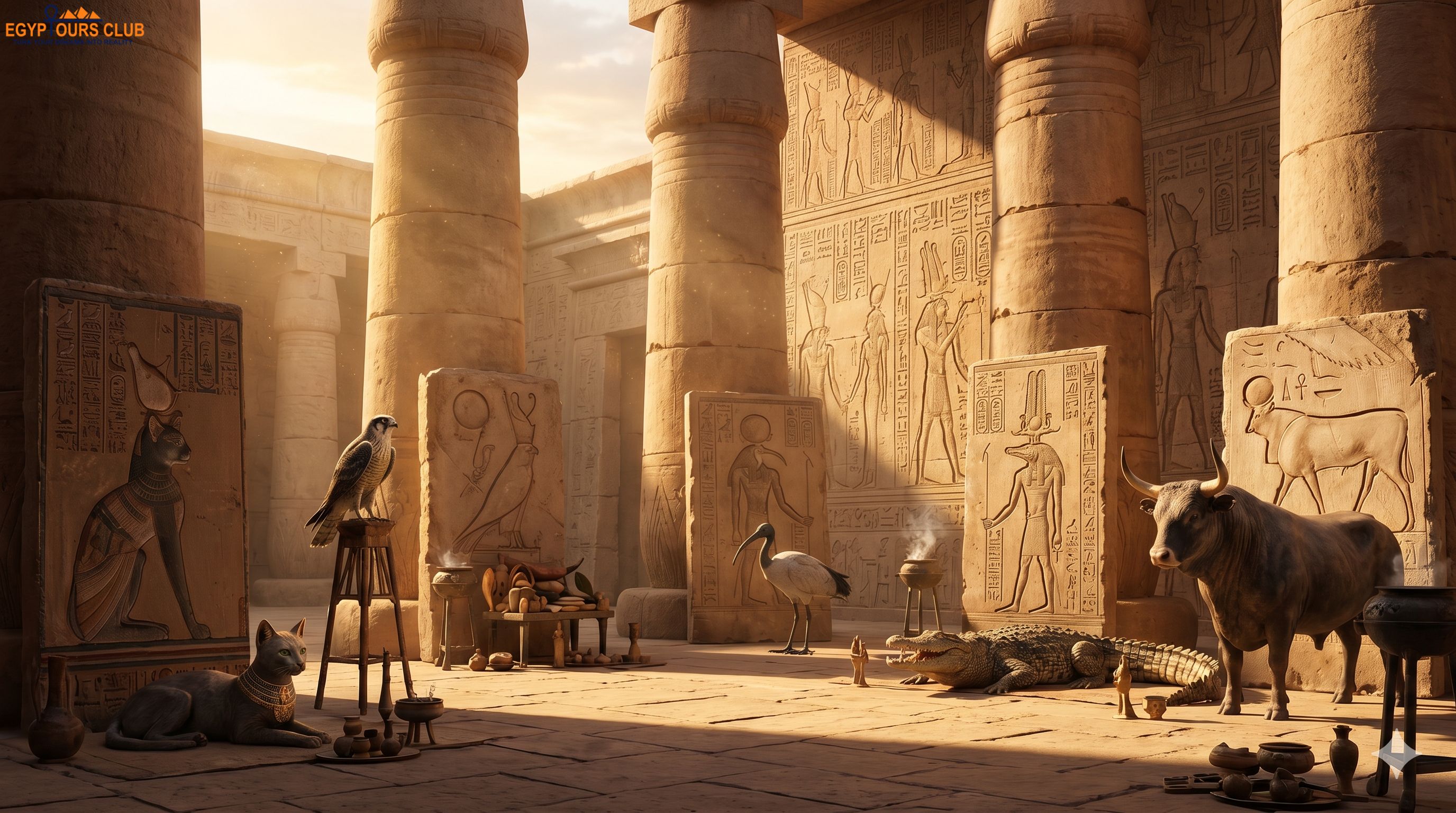
When people ask why ancient Egyptians worshipped animals or why did Egyptians worship animals, they are usually trying to understand how Egyptian religion animals fit into everyday spiritual life. Animals were not random decorations in Egyptian culture. They were powerful signs of divine qualities. They represented strength, protection, fertility, intelligence, danger, kingship, motherhood, or cosmic order. That is why animals in ancient Egypt mattered so much.
This guide explains ancient Egyptian animal worship explained in a simple, structured way. It explores sacred animals in ancient Egypt, animal symbolism in ancient Egypt, the role of animal gods in ancient Egypt, and the important difference between literally worshipping animals and worshipping gods through animal form.
📊 Quick Answer: Did Ancient Egyptians Really Worship Animals?
The short answer is: yes, but not in the simplistic way many people imagine.
Ancient Egyptians did not usually believe that every cat, crocodile, ibis, or falcon was itself the entire god. Instead, they believed certain animals could:
- represent divine qualities
- embody the presence of a god
- act as sacred manifestations of divine power
- serve as ritual links between humans and gods
So if someone asks did ancient Egyptians really worship animals, the best answer is this:
They worshipped gods who were expressed through animals, and they treated certain animals as sacred because of that divine connection.
That is the foundation of Egyptian animal worship.
📘 Quick Table: Sacred Animals and Their Meaning
| Animal | Linked Deity | Main Meaning |
|---|---|---|
| Cat | Bastet cat goddess | Protection, home, motherhood |
| Falcon | Horus falcon god | Kingship, sky, divine rule |
| Ibis | Thoth ibis god | Wisdom, writing, knowledge |
| Crocodile | Sobek crocodile god | Power, danger, fertility, Nile strength |
| Jackal | Anubis jackal god | Death, burial, protection of the dead |
| Cow | Hathor cow goddess | Motherhood, love, joy, fertility |
| Bull | Apis bull Egypt | Strength, sacred vitality, royal force |
This table gives a quick explanation of what animals did ancient Egyptians worship and the symbolic meaning of animals in ancient Egypt.
🏺 Why Were Animals Sacred in Ancient Egypt?
The key to understanding why were animals sacred in ancient Egypt is symbolism. Ancient Egyptians lived in close contact with the natural world. The Nile, desert, birds, reptiles, cattle, and domestic animals were all part of daily life. But Egyptians did not see nature as separate from religion. They saw divine meaning inside the natural world.
That is why religion and animals in ancient Egypt were so closely connected. Each sacred animal reflected qualities the Egyptians believed belonged to a god.
Examples:
- a falcon could symbolize height, power, and sky rule
- a cat could symbolize grace, protection, and domestic safety
- a crocodile could symbolize fearsome force and Nile power
- an ibis could symbolize intelligence and sacred knowledge
So ancient Egyptian sacred animals meaning was not random. It came from observing what animals did and assigning those traits spiritual significance.
This is the clearest explanation of what did animals represent in ancient Egypt: they represented divine forces through recognizable living forms.
🐾 Animal Symbolism in Ancient Egypt
Animal symbolism in ancient Egypt was one of the strongest visual systems in the ancient world. Egyptians believed that gods could reveal themselves through symbolic forms that humans could understand.
This is why ancient Egyptian animal gods often appear with human bodies and animal heads. The animal form expressed the deity’s power, while the human body made the god relatable in ritual art.
This also explains the popularity of:
- ancient Egyptian animal symbols
- Egyptian gods and animals
- animal-headed gods Egypt
- Egyptian animal gods art
These symbols were not childish myths. They were theological language.
For example:
- the falcon was not worshipped only because it was a bird
- it was sacred because it expressed what the Horus falcon god represented
- the ibis mattered because it reflected the intelligence of Thoth ibis god
- the crocodile mattered because it expressed the terrifying strength of Sobek crocodile god
That is how how did animal worship work in ancient Egypt should be understood: through symbolic association, sacred presence, and ritual reverence.
🐈 Why Did Ancient Egyptians Worship Cats?
One of the most searched questions is why did ancient Egyptians worship cats and why did Egyptians worship cats so much.
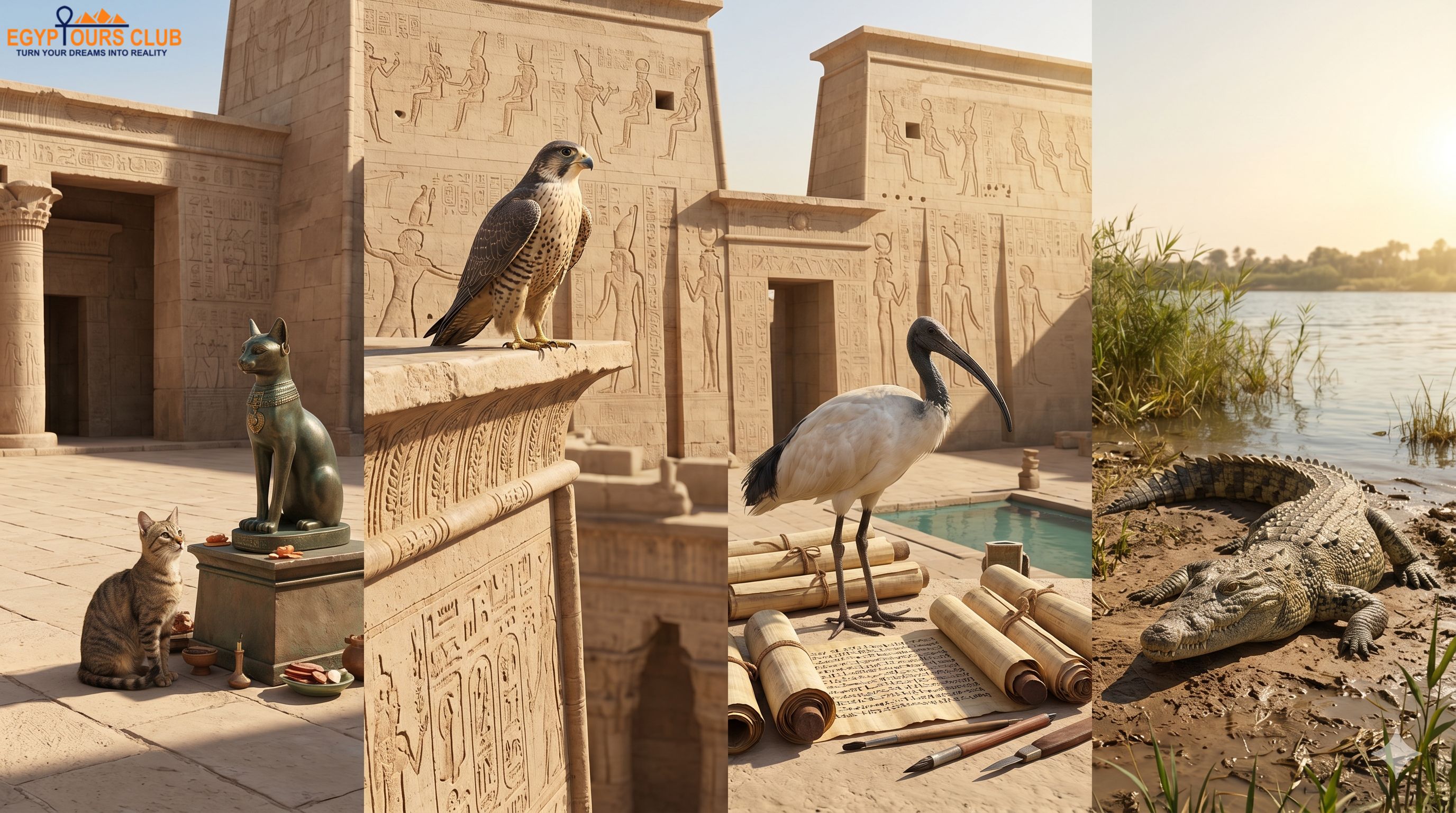
Cats were deeply valued in daily life because they protected grain stores from pests and snakes. But their religious importance went far beyond usefulness. Cats became associated with the Bastet cat goddess, one of the most beloved figures in Egyptian religion.
The Bastet cat goddess represented:
- protection
- motherhood
- femininity
- domestic harmony
- sacred feminine energy
That is why why were cats important in ancient Egypt has both a practical and spiritual answer. Cats protected the home physically, and Bastet protected it spiritually.
This is also why Bastet cat statue Egypt remains one of the most recognizable forms of Egyptian sacred art.
🐊 Why Did Ancient Egyptians Worship Crocodiles?
The question why did ancient Egyptians worship crocodiles has a clear answer: crocodiles were among the most powerful and feared animals in Egypt. They lived in the Nile, the source of life itself, but they also represented danger and raw natural force.
This is why the crocodile became linked to Sobek crocodile god. Sobek represented:
- military strength
- aggression
- masculine force
- fertility
- Nile power
So why were crocodiles important in ancient Egypt is directly related to both fear and reverence. Egyptians respected what could destroy them, and they often transformed fear into worship through divine symbolism.
That is why Sobek crocodile temple Egypt searches remain strong: Sobek’s cult reveals how Egyptians treated power as sacred, even when it was dangerous.
🐦 Why Did Ancient Egyptians Worship Falcons?
The question why did ancient Egyptians worship falcons leads directly to kingship and the sky. Falcons soar high above the land and strike with precision. These qualities made them ideal symbols of divine rule.
The Horus falcon god represented:
- kingship
- divine authority
- sky power
- victorious rule
That explains why were falcons sacred in ancient Egypt. The falcon was not just admired as a bird. It became the perfect living symbol of royal divinity.
This is also why Horus falcon image Egypt and falcon iconography appear so often in temple art and royal symbolism.
🐦 Why Did Ancient Egyptians Worship Ibises?
The question why did ancient Egyptians worship ibises is linked to intelligence and sacred knowledge. The ibis, with its distinctive curved beak and elegant presence, became associated with Thoth ibis god, one of the most intellectually important deities in Egypt.
Thoth represented:
- writing
- wisdom
- calculation
- sacred knowledge
- cosmic order
That is why why were ibises sacred in ancient Egypt is really a question about the value Egyptians placed on thought, writing, and divine intelligence.
The ibis was not sacred because of appearance alone. It became sacred because it symbolized one of the highest forms of power in Egyptian belief: knowledge.
🐂 Sacred Animals in Ancient EgyptOther
The range of sacred animals in ancient Egypt went well beyond cats, crocodiles, falcons, and ibises.
🐂 Apis Bull Egypt
The Apis bull Egypt tradition is one of the strongest examples of sacred animal cult practice. The bull represented power, fertility, vitality, and sacred kingship.
🐄 Hathor Cow Goddess
The Hathor cow goddess represented motherhood, music, joy, nourishment, and feminine fertility. The cow became sacred because it expressed divine motherhood and abundance.
🐺 Anubis Jackal God
The Anubis jackal god was linked to cemeteries, mummification, and protection of the dead. Jackals were associated with desert burial grounds, making them powerful religious symbols.
This wider picture helps explain what animals did ancient Egyptians worship and how broad the relationship between Egyptian gods and animals really was.
👤 Ancient Egyptian Gods With Animal Heads
One of the most famous visual aspects of Egyptian religion is the presence of ancient Egyptian gods with animal heads.
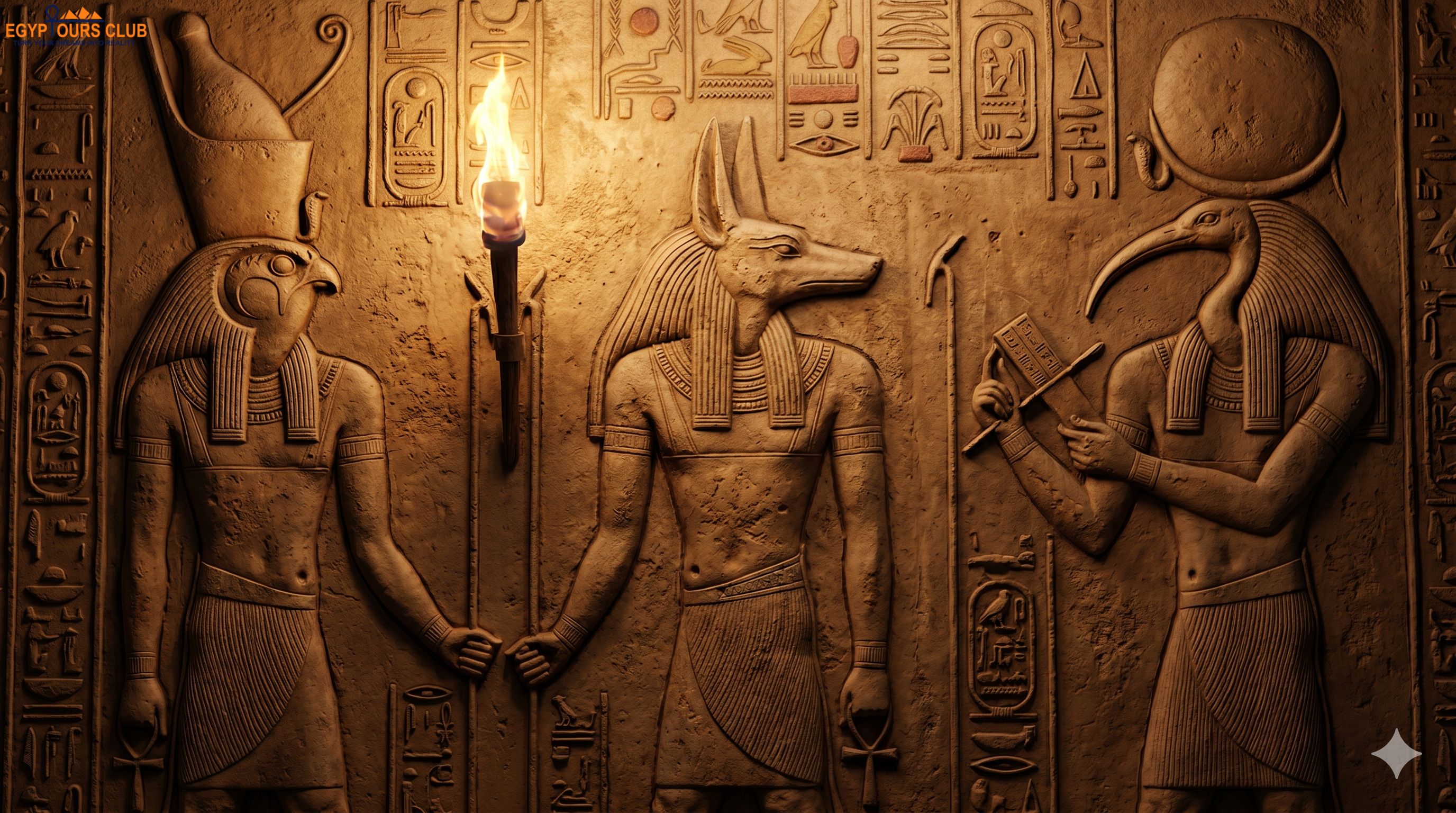
These figures are often misunderstood. Egyptians did not necessarily imagine gods as “half-animal monsters.” Instead, the animal-headed form was a symbolic way to show divine identity.
Examples include:
- Horus with a falcon head
- Anubis with a jackal head
- Thoth with an ibis head
This artistic tradition made the theology visible. It turned religious qualities into instantly recognizable forms.
So when people search were animals gods in ancient Egypt, the best answer is:
Animals were not always the gods themselves, but they were sacred forms through which divine power was understood and represented.
🧿 Animal Cults in Ancient Egypt
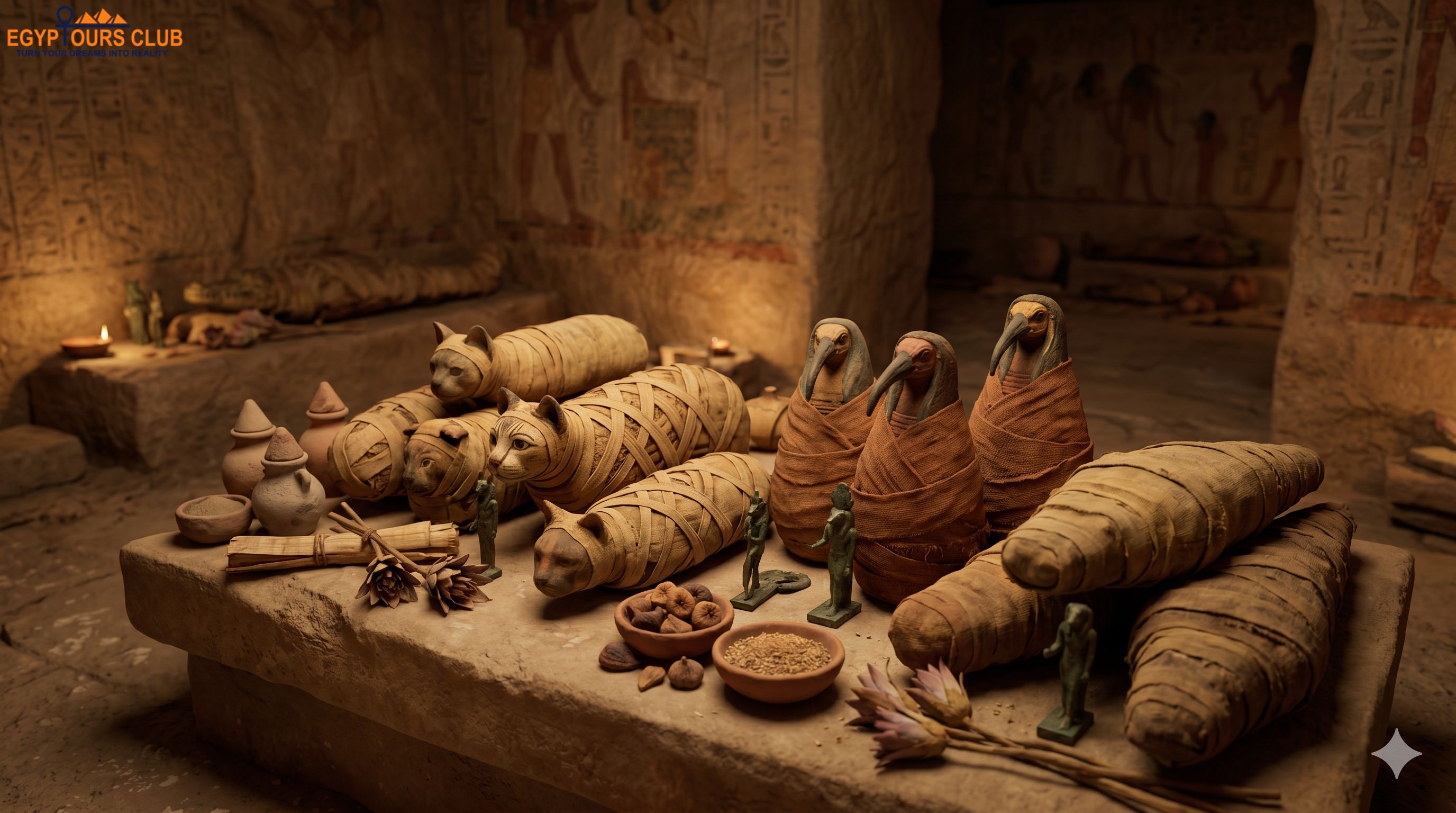
A more focused part of Egyptian religion involved animal cults in ancient Egypt. In some places, specific animals were raised, honored, and buried in ritual contexts because they were linked to divine power.
This is where the idea of ancient Egyptian animal mummies becomes important.
Egyptians did not only mummify humans. They also mummified animals, especially:
- cats
- ibises
- crocodiles
- bulls
- birds
This directly answers why did Egyptians mummify animals. They did so because animals could serve as offerings, sacred representatives, or cultic embodiments of divine forces.
🧪 Did Ancient Egyptians Really Worship Animals?
The phrase did ancient Egyptians really worship animals needs careful explanation.
The best answer is:
- sometimes they revered specific living animals as sacred manifestations
- more often they worshipped the gods connected to those animals
- in many cases the animal was symbolic, not the entire focus of worship
So animal worship in ancient Egypt was not blind animal admiration. It was a sophisticated religious system in which the natural world revealed divine order.
That is why ancient Egyptian animal worship explained must always include symbolism, theology, and ritual context.
🏛️ Why Animals Mattered Spiritually
At the deepest level, why ancient Egyptians worshipped animals comes down to worldview.
Egyptians believed:
- nature was sacred
- divine power could appear through visible forms
- animals embodied cosmic qualities humans could recognize
- the gods were present in the natural world
So religion and animals in ancient Egypt were inseparable from how Egyptians understood life, death, kingship, fertility, and order.
That is why the question is not only why did Egyptians worship animals, but also why were animals sacred in ancient Egypt. Animals mattered because they made invisible powers visible.
✅ Final Answer
So, why ancient Egyptians worshipped animals?
Because animals were seen as sacred expressions of divine power. They symbolized qualities such as protection, wisdom, kingship, fertility, danger, and rebirth. Egyptians did not simply worship animals as animals. They honored the gods revealed through them.
That is the clearest explanation of Egyptian animal worship, animal symbolism in ancient Egypt, and the role of animal gods in ancient Egypt.
If you want the shortest summary:
Ancient Egyptians worshipped animals because they believed certain creatures embodied the visible power of the gods.
FAQ
Why did ancient Egyptians worship animals?
They believed animals represented divine qualities and could embody or express the presence of gods.
What animals did ancient Egyptians worship?
They revered animals such as cats, falcons, ibises, crocodiles, bulls, cows, and jackals.
Why were animals sacred in ancient Egypt?
Animals were sacred because they symbolized qualities like power, protection, wisdom, fertility, and kingship.
Did ancient Egyptians really worship animals?
Yes, but usually in the sense that they worshipped gods through sacred animal forms rather than worshipping every animal as a god.
Why did ancient Egyptians worship cats?
Cats were linked to the Bastet cat goddess and symbolized protection, motherhood, and domestic harmony.
Why did ancient Egyptians worship crocodiles?
Crocodiles were associated with Sobek crocodile god, who represented power, danger, fertility, and Nile strength.
Why were falcons sacred in ancient Egypt?
Falcons were sacred because they symbolized sky power, kingship, and the divine authority of Horus.
Why were ibises sacred in ancient Egypt?
Ibises were linked to Thoth and symbolized wisdom, writing, and sacred knowledge.
Why did Egyptians mummify animals?
They mummified animals as sacred offerings, ritual objects, or divine representatives connected to specific gods.
Were animals gods in ancient Egypt?
Not always. Animals were often sacred symbols or manifestations of gods rather than the gods themselves.