


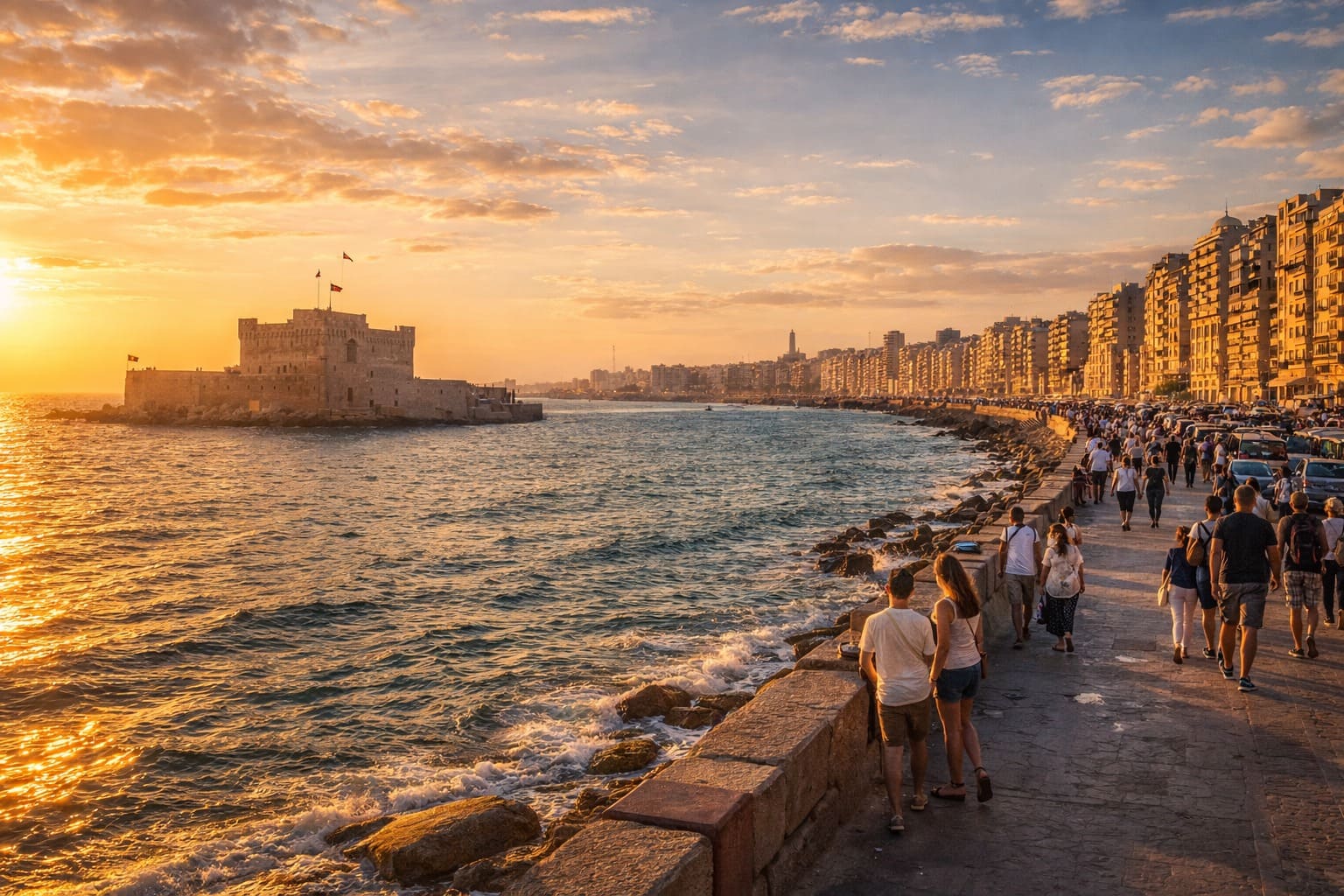
Introduction: Discovering Roman Egypt Beyond the Pyramids
When people think about the best things to do in Egypt, their minds often go straight to pharaohs, pyramids, and ancient temples. While these are undoubtedly iconic, Egypt’s history did not end with the pharaohs. In fact, one of the most fascinating and often overlooked chapters is the Roman period.
From 30 BCE, after the reign of Cleopatra VII, Egypt became a province of the Roman Empire. During this time, Roman culture blended with Egyptian traditions, creating a unique and rich historical landscape.
For travelers exploring Egypt tours club, diving into Roman Egypt offers a deeper, more diverse experience. Whether you are extending your itinerary from Cairo tours or combining it with classic pyramids tours, discovering these hidden Roman sites will give you a new perspective on Egypt’s incredible past.
Roman Egypt: A Unique Cultural Fusion
Roman Egypt was not just an extension of Rome—it was a cultural crossroads.
A Blend of Civilizations
During the Roman period:
- Egyptian religious traditions continued
- Greek artistic influence remained strong
- Roman architecture and governance shaped urban life
This fusion created monuments that are unlike anything else in the world.
Why Roman Sites Are Often Overlooked
Many Roman-era sites are less famous than Egypt’s pharaonic landmarks. However, this also means:
- Fewer crowds
- More authentic experiences
- Hidden gems waiting to be explored
1. Catacombs of Kom El Shoqafa: Underground Roman-Egyptian Fusion
One of the most remarkable Roman sites in Egypt is the Catacombs of Kom El Shoqafa.
What Makes It Unique
- Multi-level underground tomb complex
- Blend of Egyptian, Greek, and Roman art
- Recognized as one of the Seven Wonders of the Middle Ages
Highlights
- Spiral staircase entrance
- Main burial chamber with carved sarcophagi
- Hall of Caracalla
This site is a must-visit for anyone interested in hidden things to do in Egypt.
2. Roman Amphitheatre in Alexandria
The Roman Amphitheatre is one of the few remaining Roman theaters in Egypt.
Features
- Marble seating arranged in tiers
- Central stage for performances
- Surrounding ruins and mosaics
Historical Role
This amphitheater was used for:
- Entertainment
- Public gatherings
- Cultural events
It provides a glimpse into daily life during Roman rule.
3. Kom Ombo Temple: A Roman-Era Religious Marvel
Although originally Egyptian, the Kom Ombo Temple saw significant use and additions during the Roman period.
Unique Design
- Double temple dedicated to Sobek and Horus
- Symmetrical layout
- Detailed carvings
Roman Influence
Roman rulers contributed to the temple’s decoration, leaving inscriptions that reflect their presence in Egypt.
4. Edfu Temple: Preserved Through the Roman Period
The Edfu Temple is one of the best-preserved temples in Egypt.
Why It Matters
Although built during the Ptolemaic period, it remained active during Roman rule.
Highlights
- Massive pylons
- Detailed inscriptions
- Well-preserved interior
It offers insight into how Egyptian traditions continued under Roman governance.
5. Ancient Roman Ruins in Alexandria
Beyond major landmarks, Alexandria is filled with smaller Roman-era ruins.
What to Explore
- Ancient villas
- Mosaic floors
- Remains of baths and public buildings
These lesser-known sites provide a deeper understanding of Roman urban life.
6. Nile-Side Roman Heritage
The Nile River played a crucial role during Roman Egypt.
Why It Was Important
- Transportation of goods
- Military movement
- Cultural exchange
Many Roman-era settlements developed along the Nile, some of which can still be explored today.
Why Explore Roman Egypt?
1. Unique Historical Perspective
Roman Egypt represents a transitional period between ancient and medieval history.
2. Cultural Diversity
The blending of Egyptian, Greek, and Roman traditions creates a fascinating cultural landscape.
3. Less Crowded Sites
These locations offer a quieter alternative to major tourist attractions.
4. Perfect for Extended Tours
Ideal for travelers looking to go beyond standard itineraries.
Travel Tips for Exploring Roman Sites
Plan Ahead
Many Roman sites are spread across different cities, so planning your itinerary is essential.
Combine Destinations
Include Roman sites alongside:
- Cairo
- Alexandria
- Aswan
Hire a Guide
A knowledgeable guide can explain the historical context and significance of each site.
Best Time to Visit
October to April offers the most comfortable weather.
Roman Egypt in Modern Travel
Today, Roman-era sites are increasingly included in:
- Egypt tours club itineraries
- Extended Cairo tours
- Cultural and historical travel packages
They provide a deeper and more diverse understanding of Egypt’s past.
Conclusion: Egypt Beyond the Pharaohs
Exploring Roman Egypt reveals a side of the country that many travelers overlook. From the underground wonders of the Catacombs of Kom El Shoqafa to the impressive Kom Ombo Temple and the cultural richness of Alexandria, these hidden sites tell a story of transformation, adaptation, and cultural exchange.
For those seeking unique things to do in Egypt, Roman-era landmarks offer an unforgettable journey into a lesser-known chapter of history. Whether you are planning immersive Egypt tours, exploring heritage through Cairo tours, or combining your trip with iconic pyramids tours, these hidden gems will enrich your experience and provide a deeper connection to Egypt’s diverse past.
In Egypt, history is layered—and the Roman chapter is one you should not miss.