


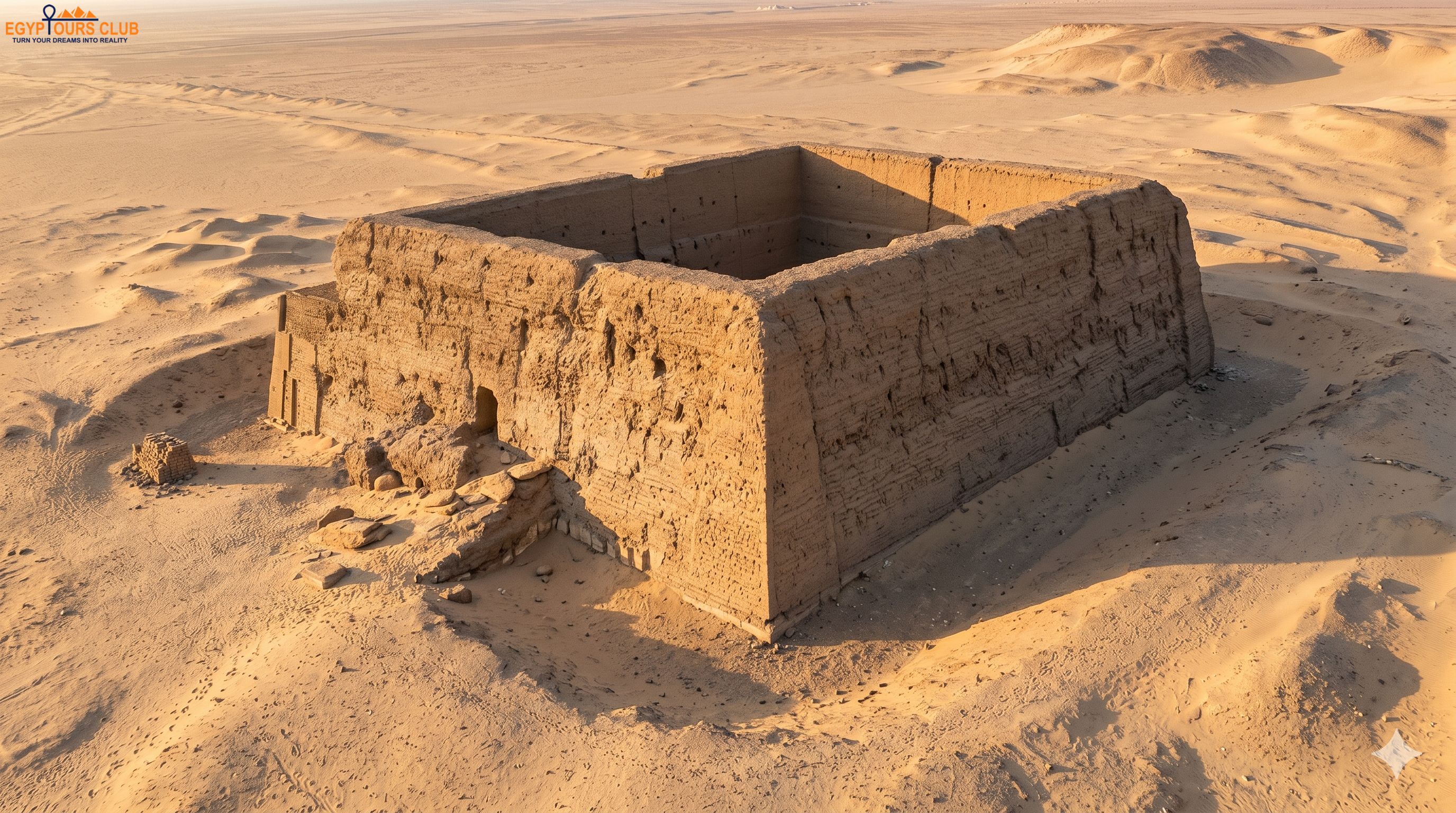
Khasekhemwy’s Royal Enclosure
The monument is associated with Khasekhemwy, a crucial king at the end of the Second Dynasty and a major figure in early Egyptian consolidation.
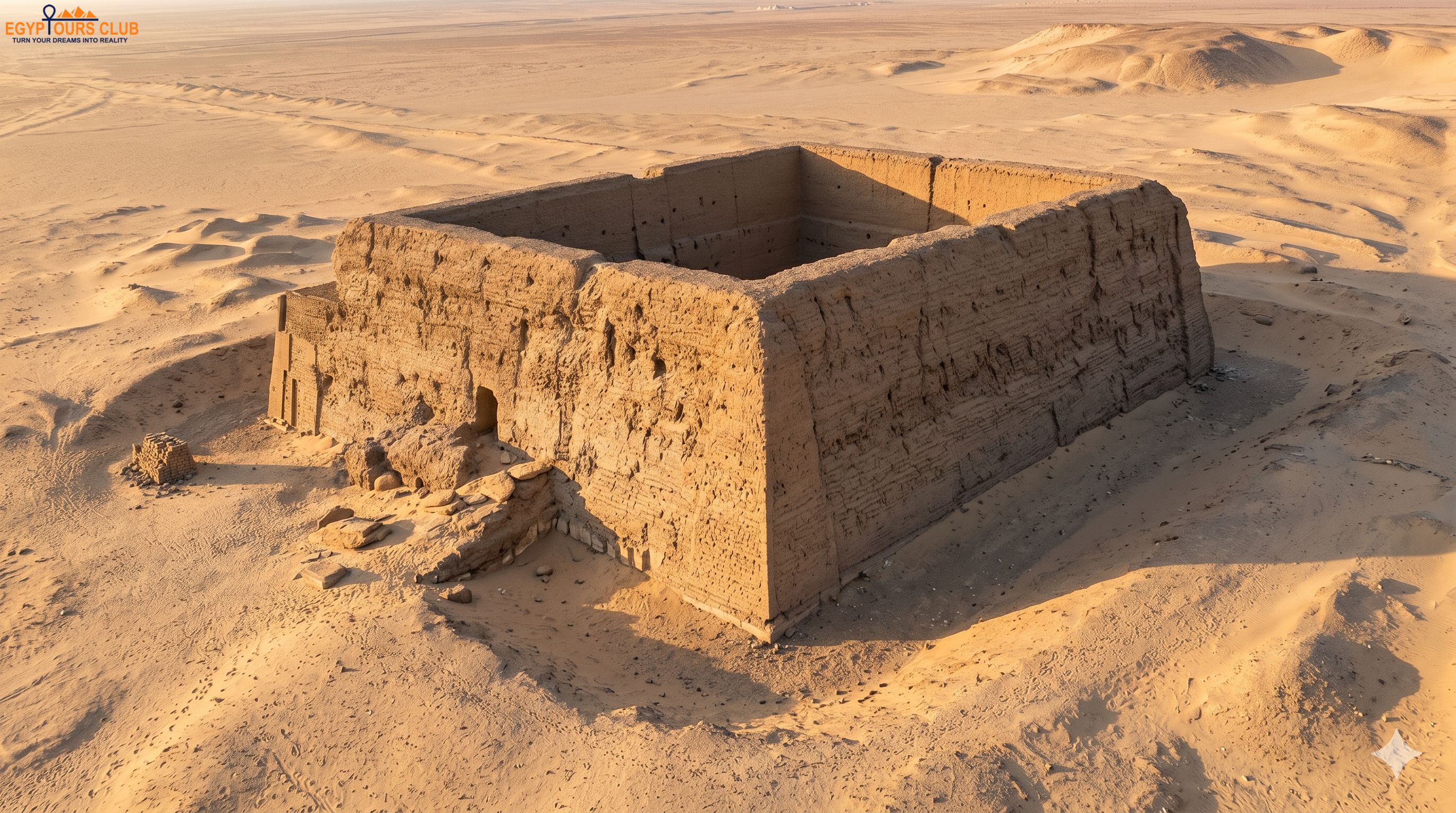
A monumental mudbrick royal enclosure that preserves one of the earliest surviving chapters of Egyptian kingship.
Shunet El-Zebib in Abydos, Egypt is a massive early dynastic royal enclosure associated with King Khasekhemwy of the Second Dynasty. Built from mudbrick in the sacred landscape of Abydos, it is one of the most important monuments for understanding royal funerary architecture before the great pyramid age.
Shunet El-Zebib is a huge mudbrick royal funerary enclosure in Abydos, Egypt, built for King Khasekhemwy near the end of the Second Dynasty. It is one of Egypt’s oldest preserved royal monuments and one of the clearest surviving examples of early dynastic ceremonial architecture before the age of the pyramids.
Shunet El-Zebib is not a temple filled with carved columns or a royal tomb covered in bright paintings. Its power is older, quieter and more archaeological. It stands as a monumental mudbrick enclosure from the earliest phases of Egyptian kingship, when royal ritual, memory and sacred architecture were still taking shape.
The monument is strongly connected with King Khasekhemwy, the last ruler of Egypt’s Second Dynasty. Its huge walls, double enclosure design and palace-façade character make it a vital site for travelers interested in early dynastic Egypt architecture, Abydos archaeology, royal funerary enclosures and the origins of Egyptian monumental tradition.
For visitors who already know Abydos through the Temple of Seti I and the Osireion, Shunet El-Zebib adds a much earlier layer to the story: the royal ritual world that came before the famous stone temple landscapes of later Egypt.
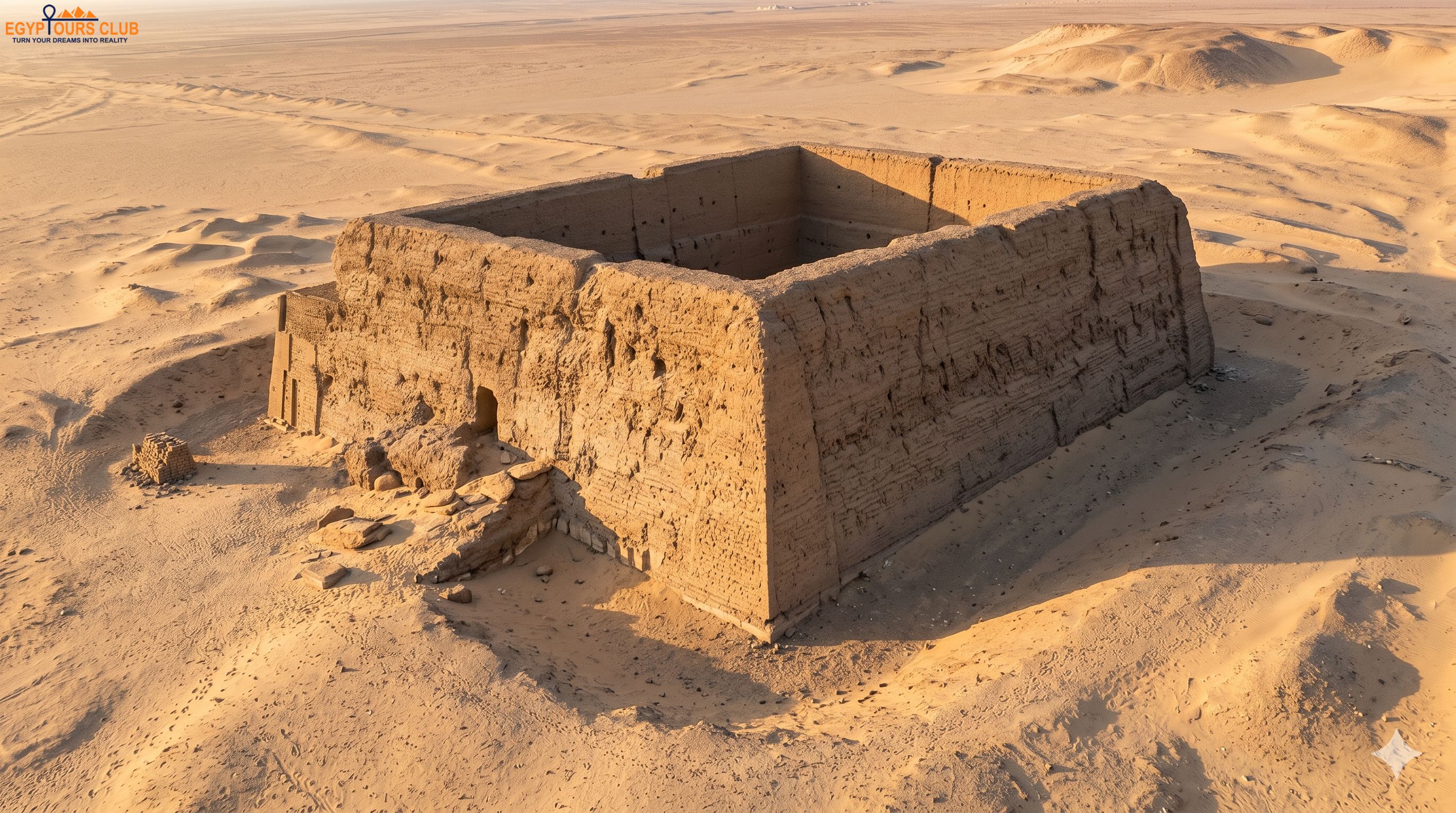 Mudbrick Royal Enclosure · Abydos
The beauty of Shunet El-Zebib is not decorative; it is architectural. Massive walls, raw clay texture, desert geometry and deep age give the site a rare visual force.
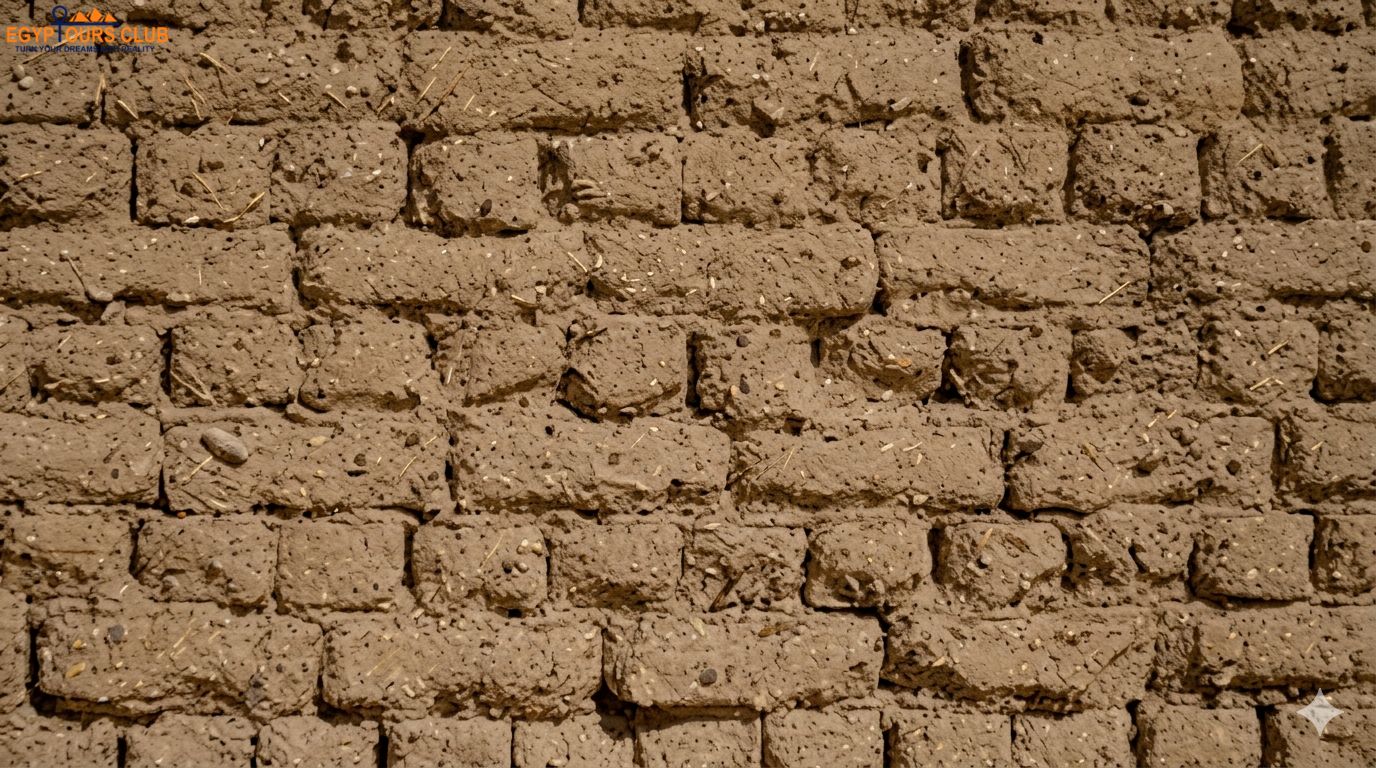
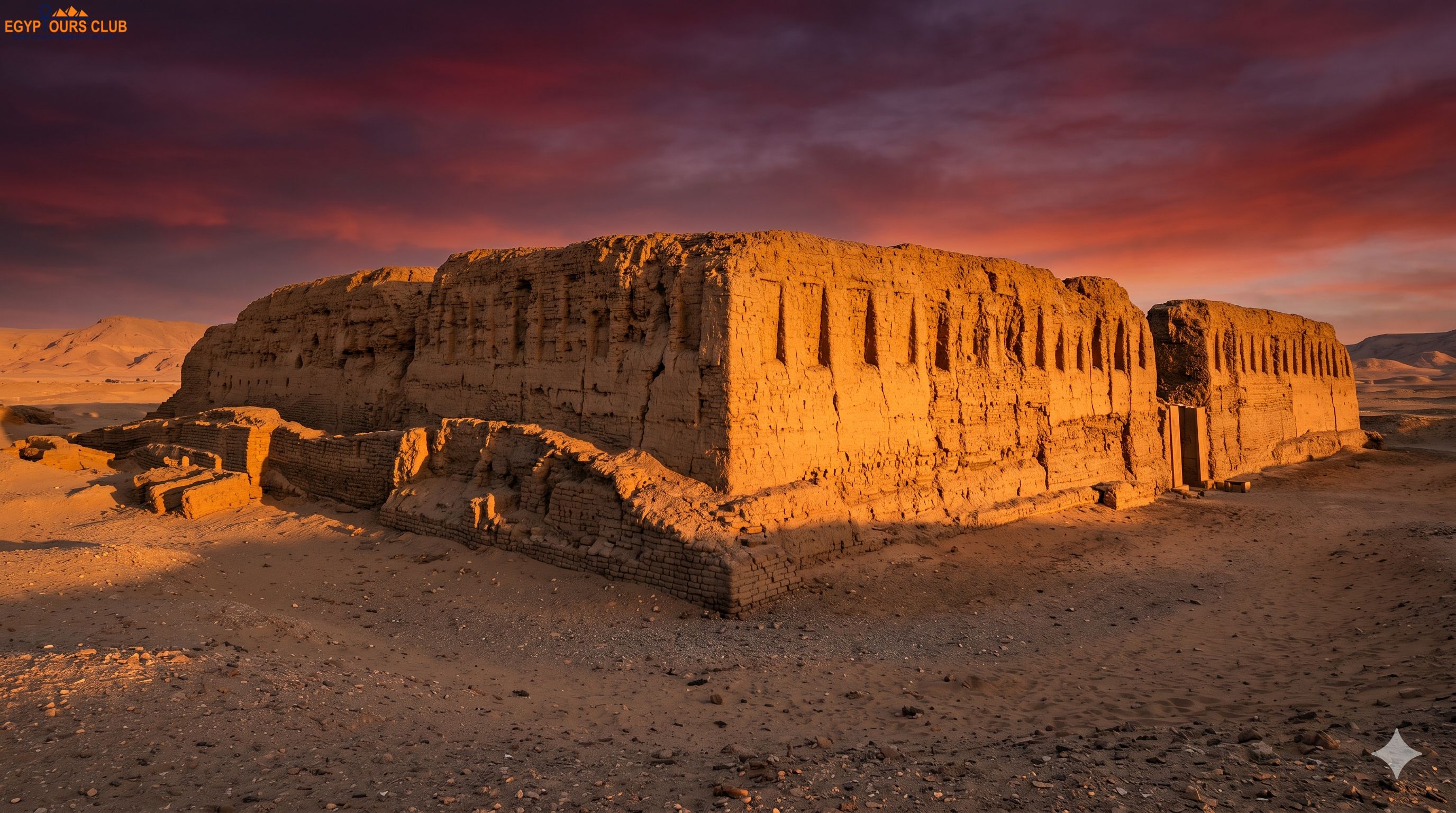
The site matters because it preserves an early royal architectural language that helps explain how Egyptian sacred monuments developed before later pyramid and temple complexes.
The monument is associated with Khasekhemwy, a crucial king at the end of the Second Dynasty and a major figure in early Egyptian consolidation.
The walls reveal a monumental tradition built from mudbrick, showing how Egyptian royal architecture could dominate a landscape before stone complexes became famous.
Shunet El-Zebib belongs to the wider Abydos ritual world, where royal memory, burial, pilgrimage and sacred geography became deeply connected.
The site takes visitors into a period far earlier than many better-known standing temples, making it essential for deeper historical travel.
The enclosure’s exterior treatment reflects royal architectural symbolism and the visual language of power in early Egypt.
Its age and survival make it a rare site for understanding how monumental Egyptian royal spaces began.
Abydos is not one monument; it is a layered sacred landscape. Shunet El-Zebib gives the early dynastic foundation, while later sites show how Abydos developed into a major center of kingship, pilgrimage and Osiris devotion.
| Site | Main Identity | Why Pair It with Shunet El-Zebib? |
|---|---|---|
| Shunet El-Zebib | Early dynastic mudbrick royal enclosure | Shows royal ritual architecture before later stone temple traditions. |
| Abydos Temple of Seti I | Decorated New Kingdom temple and King List | Connects early royal memory with later pharaonic temple art and royal history. |
| Osireion in Abydos | Mysterious Osiris-linked monument | Adds the sacred and symbolic layer of Abydos as an Osirian landscape. |
| Umm El-Qa’ab royal tombs | Early royal cemetery | Completes the early dynastic story of kingship, burial and ritual at Abydos. |
| Dendera Temple Complex | Temple of Hathor and preserved temple complex | Creates a strong Upper Egypt route with both Abydos and Dendera. |
Shunet El-Zebib is best visited as part of a focused Abydos route. The site is more meaningful when connected with early royal tombs, the Temple of Seti I, the Osireion and the wider sacred geography of Abydos.
The strongest experience is not to see Shunet El-Zebib alone, but to connect it with the monuments that explain the full Abydos story.
A focused Abydos route linking early dynastic kingship with one of Egypt’s most beautiful New Kingdom temples.
Explore Abydos Temple →Best for serious travelers who want Shunet El-Zebib, Umm El-Qa’ab, the Osireion and the deeper royal landscape.
Request specialist route →Pair Abydos heritage with Dendera’s Temple of Hathor for a powerful Upper Egypt temple and archaeology day.
Explore the tour →Exact access, timing and site order should be confirmed locally, especially for specialist Abydos archaeological stops.
Use these pages to connect Shunet El-Zebib with a stronger Abydos and Upper Egypt travel path.
| Route | Best For | Suggested Flow | Useful Link |
|---|---|---|---|
| Classic Abydos Visit | First-time Abydos travelers | Temple of Seti I → Osireion → Shunet El-Zebib if access and timing allow | Abydos Temple guide |
| Abydos Archaeology Route | Serious history lovers | Umm El-Qa’ab → Shunet El-Zebib → Seti I Temple → Osireion | Private specialist route |
| Dendera and Abydos Full Day | Upper Egypt temple travelers | Luxor → Dendera → Abydos Temple → Shunet El-Zebib depending on timing | Dendera and Abydos tour |
| Custom Upper Egypt Journey | Slow travel and private guiding | Luxor → Dendera → Abydos → Sohag → Aswan | Tailor made Egypt tours |
Shunet El-Zebib is a large mudbrick royal funerary enclosure in Abydos, Egypt, built for King Khasekhemwy during the late Second Dynasty.
It is one of Egypt’s oldest preserved royal monuments and helps explain early kingship, ritual architecture and the development of later mortuary traditions.
The monument is associated with King Khasekhemwy, the last ruler of Egypt’s Second Dynasty.
No. Although its thick walls once made some observers think it was a fort, it is better understood as a royal funerary cult enclosure.
It is located in Abydos, in Sohag Governorate, Upper Egypt.
It dates to around 2700–2750 BCE, making it roughly five thousand years old.
Yes. It can be included in a private Abydos route with the Temple of Seti I, the Osireion and other Abydos archaeological sites.
Yes, especially for travelers interested in archaeology, early dynastic Egypt, Abydos and the origins of royal monumental architecture.
Visit Khasekhemwy’s early dynastic enclosure with a private route that connects Shunet El-Zebib, Abydos Temple of Seti I, the Osireion, Umm El-Qa’ab and the deeper sacred landscape of Upper Egypt.