


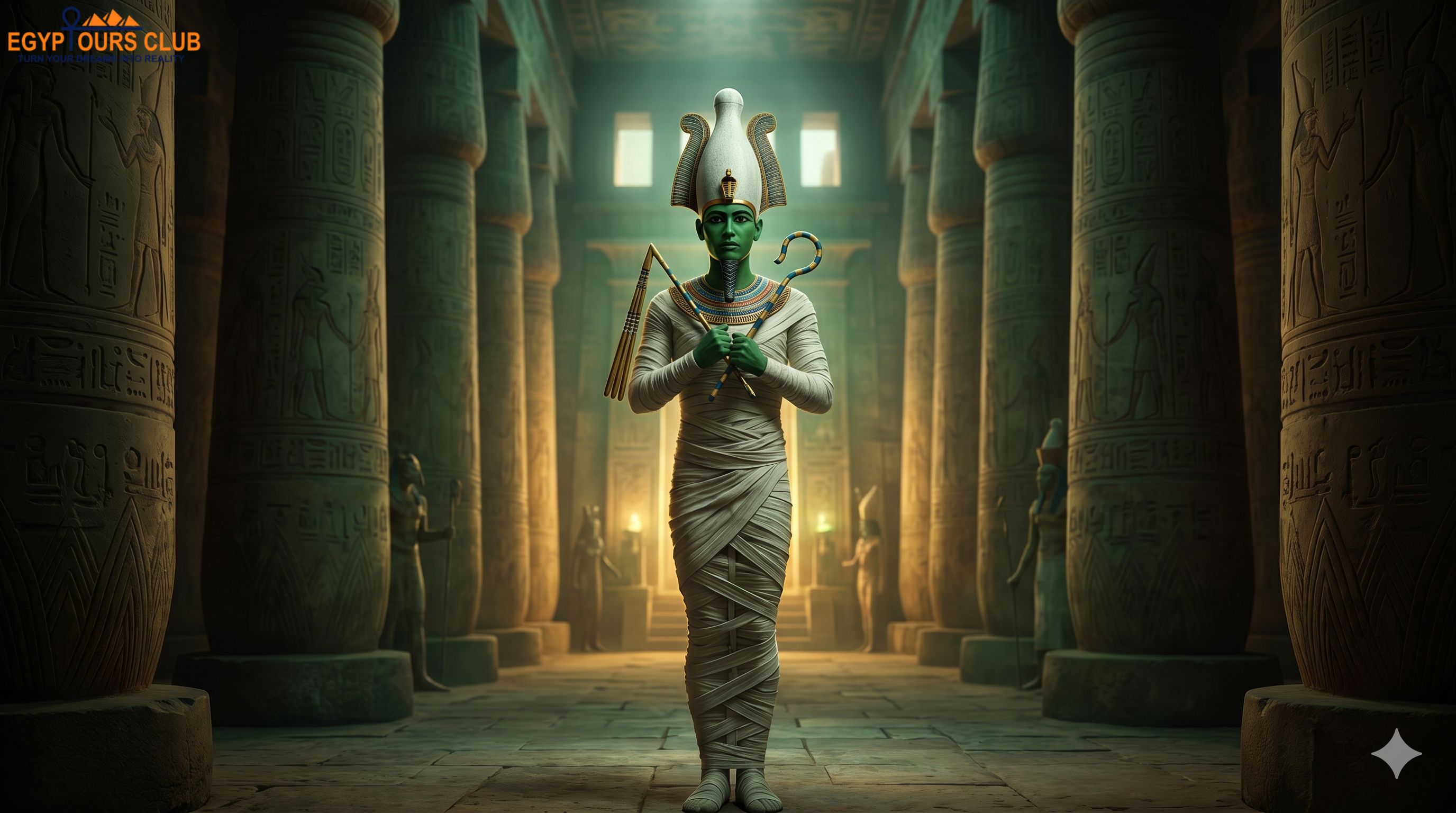
Who Is Osiris? The Story of the Egyptian God of the Afterlife
Introduction
Osiris is one of the most important figures in ancient Egyptian gods and one of the most searched names in Egyptian mythology gods. If you have ever wondered who is Osiris, what is Osiris the god of, or why he is called the Egyptian god of the afterlife, the answer lies at the heart of ancient Egyptian religion.
The story of the Osiris Egyptian god is not just about death. It is about kingship, betrayal, resurrection, justice, and eternal life. In Osiris ancient Egypt belief, he became the ruler of the dead and the judge of souls, making him one of the central divine figures in the spiritual imagination of the Nile Valley.
This guide explains who is Osiris in Egyptian mythology, explores the Osiris story, clarifies the history of Osiris, and shows why Osiris god of the afterlife remained so important for thousands of years.
👑 Quick Answer: Who Is Osiris?
If you want the shortest answer to who is Osiris, here it is:
Osiris was the Egyptian god of the afterlife, resurrection, fertility, and rebirth.
He became the divine ruler of the dead after being killed by Seth and brought back through the power of Isis.
That is why the god of the afterlife Egypt is most commonly identified as Osiris god of the afterlife.
📊 Quick Overview Table: Osiris at a Glance
| Topic | Answer |
|---|---|
| Name | Osiris |
| Role | Egyptian god of the afterlife, resurrection, and rebirth |
| Main symbols | Crook, flail, Atef crown |
| Key relationships | Osiris and Isis, Osiris and Horus, Osiris and Seth |
| Myth focus | Death, resurrection, kingship, judgment |
| Common title | Lord of the underworld Egypt |
| Spiritual meaning | Eternal life, renewal, justice after death |
This summary helps answer what is Osiris the god of and why the Osiris role in ancient Egypt was so central to religion and kingship.
🏺 Who Is Osiris in Egyptian Mythology?
To understand who is Osiris in Egyptian mythology, you need to place him within the family of the gods. He was the husband of Isis, the father of Horus, and the brother of Seth. This makes Osiris and Isis, Osiris and Horus, and Osiris and Seth essential parts of the larger myth.
In myth, Osiris was a wise ruler who brought order, civilization, and fertility. He was not originally just an underworld god. His power was connected to life, kingship, agriculture, and cosmic renewal. But after his death and resurrection, he became the Osiris underworld god, the divine ruler of the dead, and the ultimate lord of the underworld Egypt.
This is why ancient Egypt religion Osiris traditions gave him such a powerful role. He was both a dead king and a living force of renewal.
📖 The Osiris Story
The Osiris story is one of the most famous narratives in Egyptian religion and one of the key foundations of the Osiris myth ancient Egypt tradition.
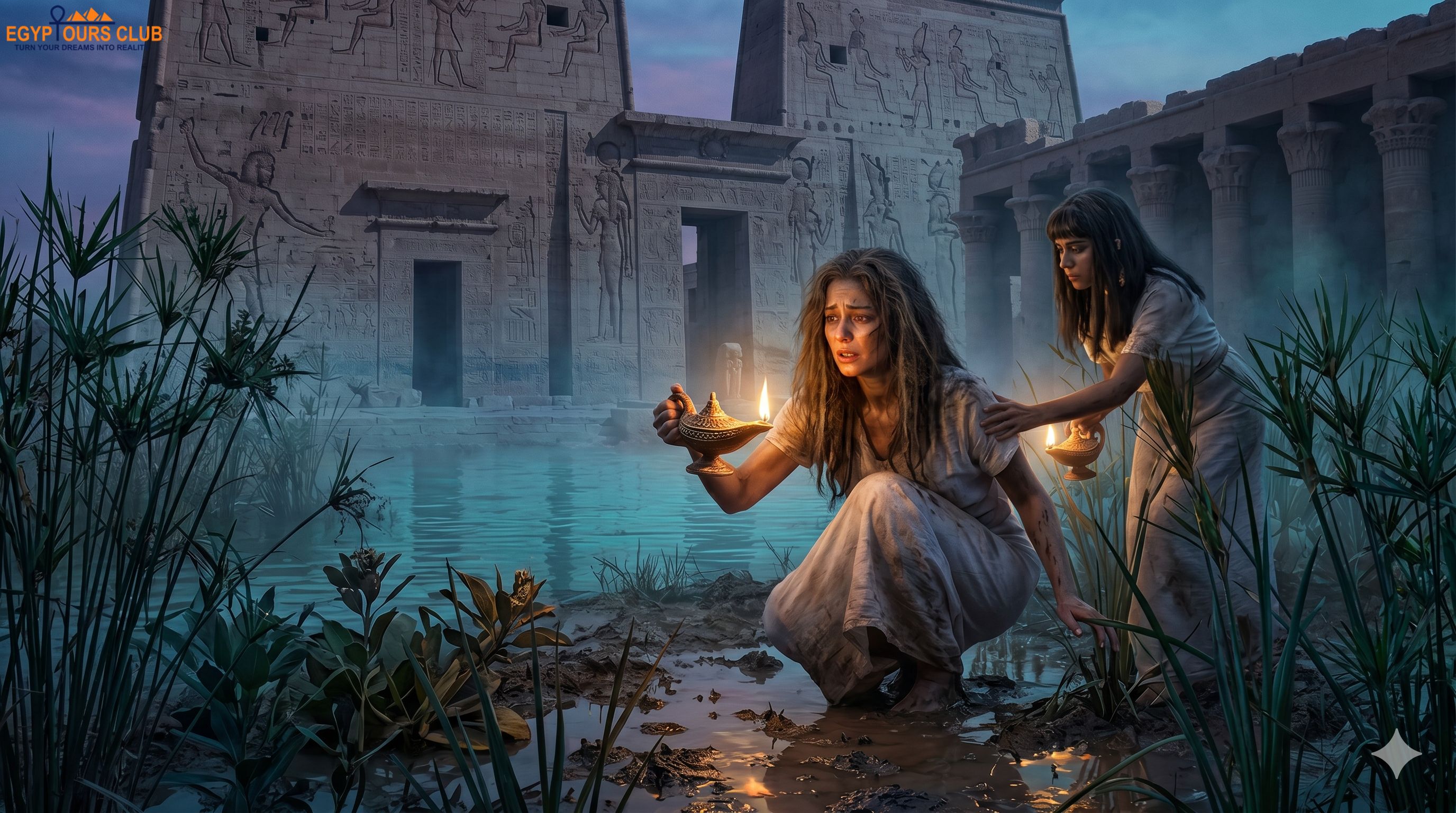
Osiris ruled wisely, but his brother Seth became jealous and hostile. Seth tricked Osiris, killed him, and seized power. This moment is central to questions like who killed Osiris and what happened to Osiris.
After Osiris was murdered, Isis searched for him and used divine magic to restore him. Through this act, the Osiris resurrection myth was born. Osiris did not return to earthly kingship in the normal sense. Instead, he became ruler of the afterlife. This transformation explains how did Osiris become god of the afterlife.
His son Horus later fought Seth to reclaim justice and rightful kingship. That is why the myth is not only about death, but also about succession, legitimacy, and divine order.
⚰️ What Is Osiris the God Of?
Many readers search what is Osiris the god of because his role is broader than one title.
Osiris was associated with:
- ⚖️ the afterlife
- 🌱 resurrection and rebirth
- 🌾 fertility and renewal
- 👑 sacred kingship
- 🕊️ judgment after death
So while he is widely known as the Egyptian god of the afterlife, he also represents cyclical renewal. This is why his mythology mattered so much in burial beliefs and funerary religion. He gave hope that death was not the end.
The Osiris meaning in religion is therefore not just “death.” It is “life after death,” “rebirth after destruction,” and “justice after suffering.”
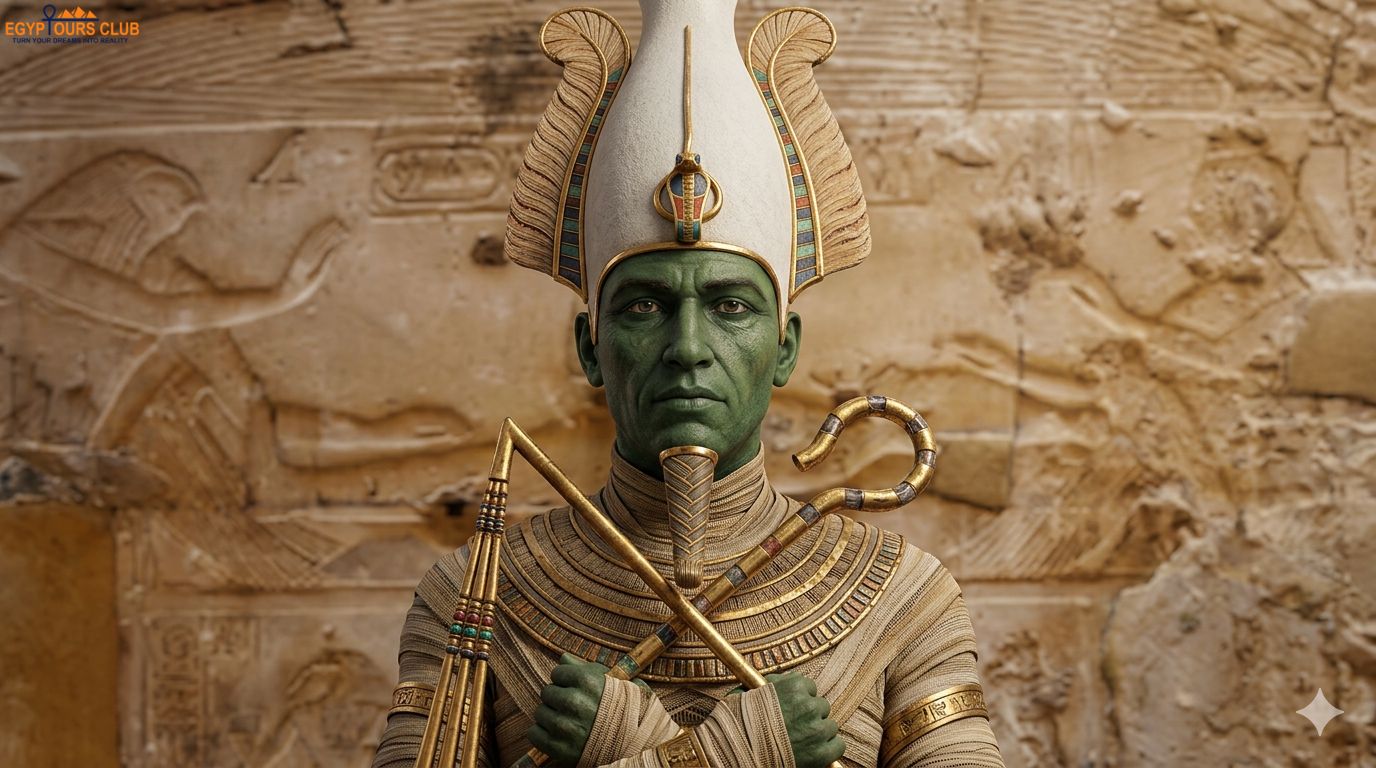
🟢 Why Is Osiris Green?
One of the most searched questions is why is Osiris green.
In Egyptian art, green often symbolized:
- rebirth
- vegetation
- fertility
- regeneration
- eternal life
That is why Osiris green skin meaning is so important. His green skin did not mean he was monstrous or unnatural. It meant he represented renewal and the power of life returning again, just as plants rise from the earth.
This visual code makes him one of the most recognizable figures in Osiris art ancient Egypt and helps explain why the Osiris image ancient Egypt tradition became so consistent in funerary and temple art.
🧿 Osiris Symbol and Visual Identity
The Osiris symbol is not limited to one icon, but several visual features help identify him:
- 👑 Atef crown
- 🪝 crook
- 🪓 flail
- 🟢 green or dark skin
- ⚰️ mummy-like wrapped body
These symbols communicate kingship, agricultural authority, divine legitimacy, and rebirth. Together, they made the Osiris Egyptian god instantly recognizable in temple carvings, coffins, wall paintings, and statues.
The image of Osiris became one of the most powerful in Egyptian mythology gods because it united royal authority with eternal life.
🏛️ Osiris and Isis
The relationship of Osiris and Isis is one of the most important in Egyptian mythology. Isis is not just his wife; she is the divine force that restores him, protects his legacy, and ensures the birth and future of Horus.
Without Isis, the Osiris resurrection myth would not exist. Her role transforms the story from a tale of murder into a story of continuity and rebirth. This is why Osiris and Isis together became symbols of eternal devotion, sacred family, and divine restoration.
For many readers, this part of the myth is also what gives the Osiris story emotional power. It is not only about gods, but about loss, loyalty, and cosmic justice.
🦅 Osiris and Horus
The relationship of Osiris and Horus is equally central. Osiris is the dead father and Horus is the living son who fights to restore rightful kingship. In this sense, Osiris becomes the divine ruler of the dead, while Horus becomes the divine model of kingship among the living.
This father-son relationship helped shape pharaonic ideology. The living king could be associated with Horus, while the dead king could be associated with Osiris. That made the Osiris role in ancient Egypt deeply political as well as religious.
⚔️ Osiris and Seth
The opposition between Osiris and Seth drives the central conflict of the myth. Seth stands for violence, disruption, and illegitimate power. Osiris represents legitimate order and sacred kingship.
This conflict explains why readers ask:
- who killed Osiris
- what happened to Osiris
- why his resurrection matters
Without Seth, Osiris would remain a king. Because of Seth, he becomes something greater: the ruler beyond death.
⚖️ Was Osiris the God of Death?
Another common question is was Osiris the god of death.
The best answer is: not exactly.
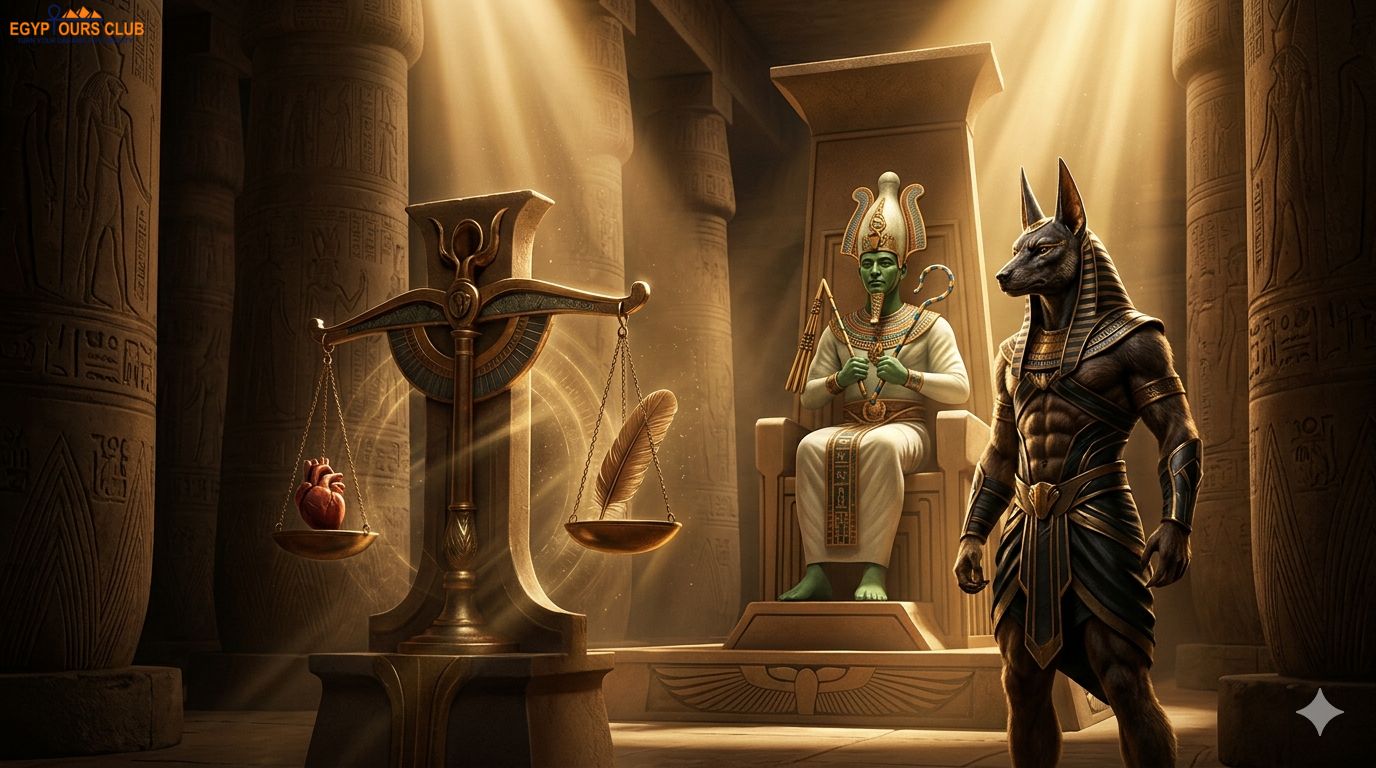
Osiris was not simply a god of death in the narrow sense. He was the god of the afterlife, resurrection, and judgment. Death is part of his story, but his deeper meaning lies in what comes after death.
That is why Osiris god of the afterlife is more accurate than just “god of death.” He rules the realm of the dead, but his symbolism is tied to rebirth, renewal, and eternal order.
🐺 Osiris vs Anubis
A very common comparison is Osiris vs Anubis.
Both are linked to the dead, but their functions differ:
| Osiris | Anubis |
|---|---|
| Ruler of the afterlife | Guide and protector of the dead |
| Judge and king of the dead | Associated with embalming and burial rites |
| Symbol of resurrection | Symbol of funerary transition |
| Lord of the underworld Egypt | Guardian of tombs and mummification |
This means Anubis prepares and guides, while Osiris rules and judges. That distinction helps answer why Osiris remained the stronger symbol of eternal life and divine kingship.
📚 Osiris Facts
Here are some essential Osiris facts:
- Osiris was one of the most important ancient Egyptian gods.
- He was the husband of Isis and father of Horus.
- He was killed by Seth in the central myth.
- He became the Egyptian god of the afterlife.
- He symbolized rebirth, kingship, and eternal renewal.
- He is often shown with green skin, a crown, crook, and flail.
- He became one of the most influential gods in Egyptian funerary belief.
🌍 Why Is Osiris Important?
Many readers ask why is Osiris important.
The answer is simple: Osiris gave meaning to death. He transformed the fear of death into the hope of rebirth. He gave ancient Egyptians a model for resurrection, moral judgment, and eternal life.
His myth influenced:
- religion
- kingship
- burial practices
- temple imagery
- beliefs about justice after death
That is why the history of Osiris is not a side story in Egyptology. It is one of the central pillars of ancient Egyptian belief.
🏺 Osiris in Ancient Egypt Religion
In ancient Egypt religion Osiris was not just one god among many. He became one of the deepest expressions of Egyptian spiritual thought. Through him, Egyptians imagined what happened after death, how justice worked beyond this world, and how life could continue after destruction.
This is why Osiris mythology explained usually leads to a bigger truth: ancient Egyptian religion was not only about worship, but about cosmic order, rebirth, and hope.
Final Answer
So, who is Osiris?
Osiris was the Osiris Egyptian god of resurrection, kingship, judgment, and eternal life. He became the god of the afterlife Egypt after being killed by Seth and restored through Isis. As the lord of the underworld Egypt, he ruled over the dead and became one of the most important divine figures in all of ancient Egyptian gods tradition.
If you want the simplest summary:
Osiris was the Egyptian god of the afterlife, rebirth, and sacred kingship.
FAQ
Who is Osiris?
Osiris is one of the most important gods in ancient Egyptian religion and is best known as the Egyptian god of the afterlife, resurrection, and rebirth.
What is Osiris the god of?
Osiris is the god of the afterlife, eternal life, resurrection, sacred kingship, and judgment after death.
Who is Osiris in Egyptian mythology?
In Egyptian mythology, Osiris is the divine ruler who was killed by Seth, restored by Isis, and became lord of the underworld.
Why is Osiris important?
Osiris is important because he shaped ancient Egyptian ideas about death, rebirth, justice, and eternal life.
Who killed Osiris?
According to the myth, Osiris was killed by his brother Seth.
How did Osiris become god of the afterlife?
After being killed and restored, Osiris became ruler of the dead and lord of the afterlife.
Why is Osiris green?
Osiris is often green because green symbolized fertility, regeneration, rebirth, and eternal life in ancient Egyptian art.
Was Osiris the god of death?
Not exactly. Osiris was more accurately the god of the afterlife, resurrection, and judgment rather than death alone.
What is the difference between Osiris and Anubis?
Osiris rules the afterlife and judges the dead, while Anubis is associated with embalming, burial, and guiding souls.